Growing through my PhD
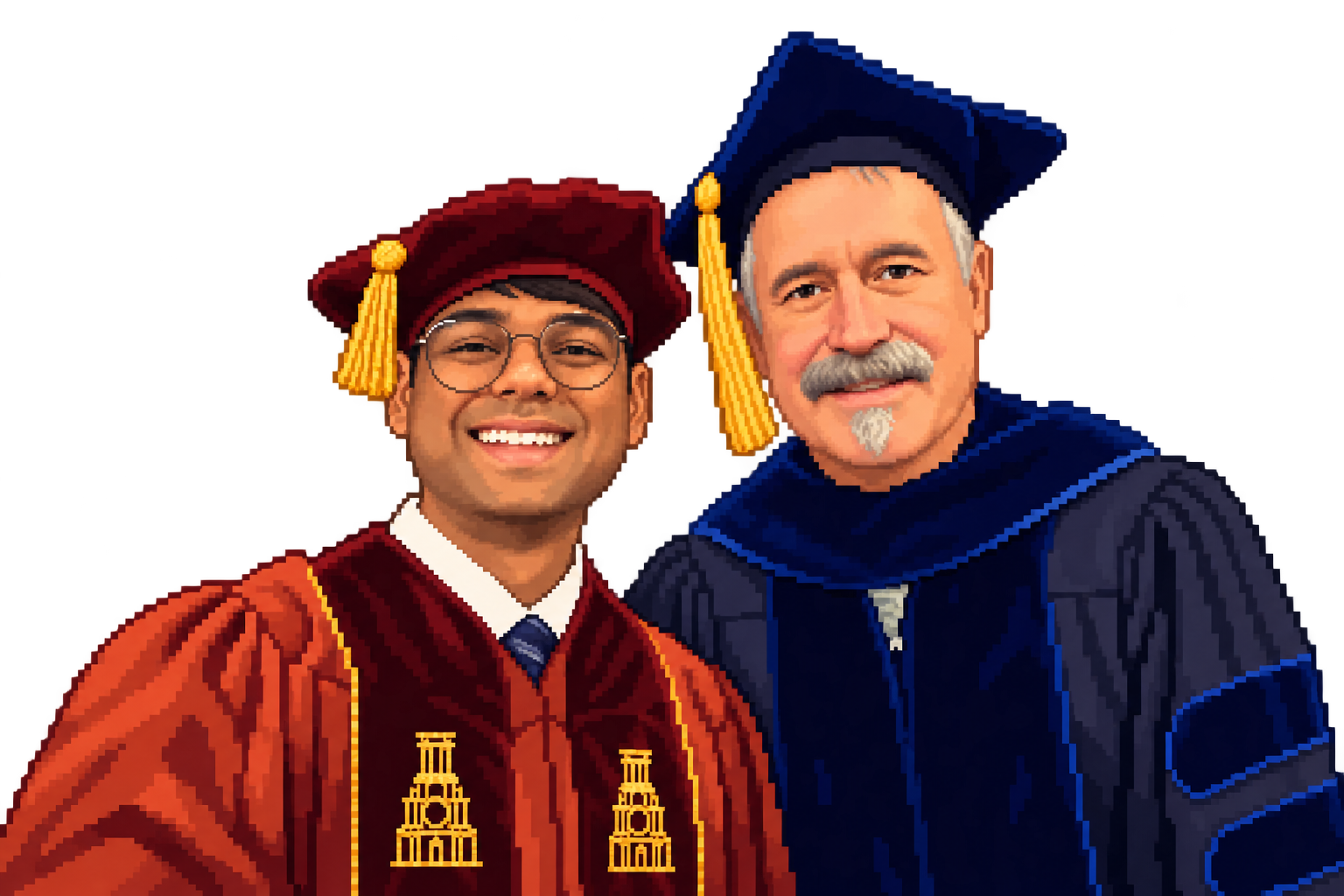
I started my PhD for the love of doing research. I wanted to explore the unknown, solve problems, and contribute something new. My parents gave me the freedom and support to pursue that interest. I arrived in Austin with a broad direction for my research, plenty of curiosity, and very little sense of how much I would change over the next few years.
The area I began exploring was obscure. Very few people in academia were working on it, and there was little literature I could use to find my bearings. I was still trying to turn that broad direction into a question I could work on. Much of my first year went into coursework while I kept trying to find a direction for the research. I had wanted this opportunity, and I wanted to make something of it. Finding myself unsure what to do next was difficult. If you are starting research and feel this way, give yourself room to learn how to ask a useful question. Your first topic can change as you read, try things, and understand what interests you.
When doubt kept returning
It became harder when I looked around. People near me were doing good work and making progress. I kept comparing myself with them. I would start wondering whether I had the ability to do this, whether I was wasting my time, or whether I had chosen something beyond me. When an idea failed, I found it hard to keep that failure separate from how I felt about myself. There were periods when I felt depressed, scared, and deeply unsure. I would begin to feel better, then find myself back in the same thoughts.
At one point, I seriously considered taking a master's and stopping there. The people around me helped me think back to why I had wanted to do research. Even during the difficult periods, I still cared about the questions and enjoyed trying to understand them. I needed that reminder, and I needed time to learn how to work through uncertainty. Looking back, I can see how much I was expecting myself to know before I had learned it.
If you are caught in that comparison, try talking to someone whose work you admire about how they got there. Ask about the attempts that went nowhere and the help they needed. You may be comparing your everyday doubts with the small part of their work that you get to see. You can bring an unfinished thought or an unsuccessful attempt to a conversation and ask for help with the next step.
Room to explore
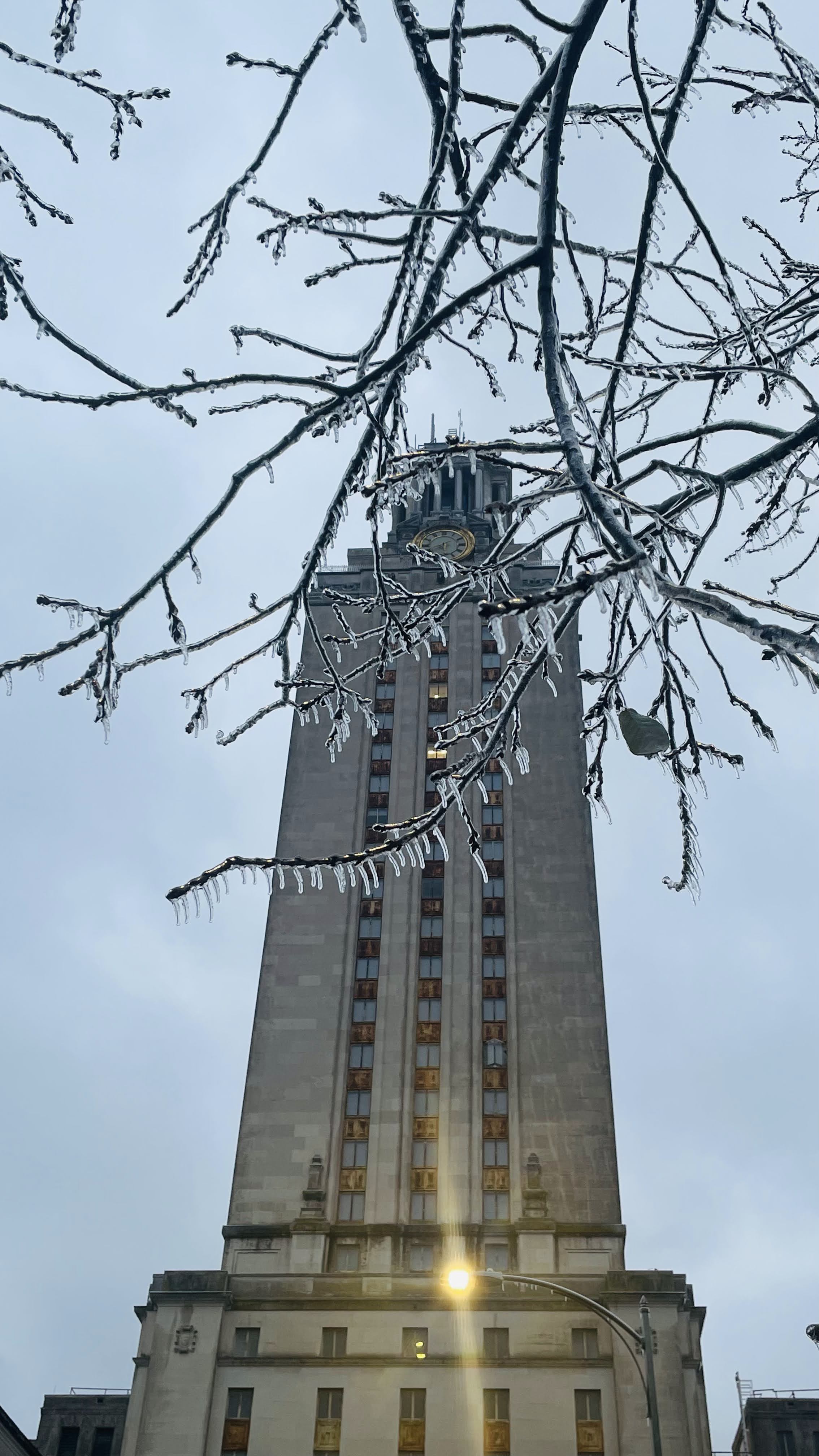
I was very lucky to have Professor Alan C. Bovik as my adviser[1]. He gave me a great deal of freedom to choose directions, bring him ideas, and explore things that interested me. His advising was hands-off. Early on, we met in person about once a month. Towards the end, it could be once or twice a semester, with Zoom meetings when we needed them. I had room to work things out for myself, while knowing I could turn to him for guidance.
When we met, our conversations often moved beyond the project. We talked about learning, life, and the pressure I was putting on myself. He encouraged me to think about the PhD as time to grow, to learn how to do research, and to work with people. I did not have to spend those years looking only at the problem I had started with. I could read about another field, learn a new skill, or follow an idea that might eventually change the way I approached my own work. Hearing that from him made it easier to give myself permission to explore.
His advice could also be very practical. If I was frustrated and going over the same problem again and again, he encouraged me to get outside. Go for a walk, run, or cycle. Spend time near Lady Bird Lake, or somewhere else in Austin that I enjoyed. I remember this because it came from the person guiding my research, when I was putting so much pressure on myself. He wanted us to enjoy the city and have a life while we were there.∗
∗These are my memories of our conversations, rather than his exact words.Google sponsored my research, and Balu Adsumilli[2] helped guide the work. It was an unconventional combination, and I felt extremely lucky that both Balu and Professor Bovik gave me the freedom to explore, propose ideas of my own, and develop them into research. Their trust let me try things, learn from what went wrong, and take more responsibility for my work. Balu also helped me think through ideas and improve my writing, and I am grateful for his guidance throughout my PhD.
Choosing an adviser matters a great deal, so think about how you work best and how much freedom, feedback, and guidance you need. Talk to their students about what working with them is like, especially when research gets stuck, and look for a style of advising that suits you.
Learning with others
I began to make progress when I explored more topics and started working with seniors in the lab. Until then, I had spent a lot of time trying to find an idea within my own small corner of research. Collaborating gave me a way to learn alongside people who had already worked through some of the uncertainty I was facing. I learned how to approach a question, contribute to an ongoing project, and write about what we had done. These are things I had wanted to understand when I arrived. Working with others gave me a place to practice them.
It also changed how I thought about having a research topic. I began talking to people whose work was different from mine and paying more attention to ideas from other fields. Sometimes learning something outside my project gave me a new way to look at it. Sometimes it gave me another question to explore altogether. My adviser's encouragement helped here. I had the freedom to widen my interests, and the more I learned, the more I could bring back to my own work. If you are an undergrad, a master's student, or early in a PhD, joining a project can give you a place to start. Ask a senior how they chose the question, what they tried first, and how they decided what to change. Take on a piece you can follow through, and let yourself learn by contributing.
Small things began to work
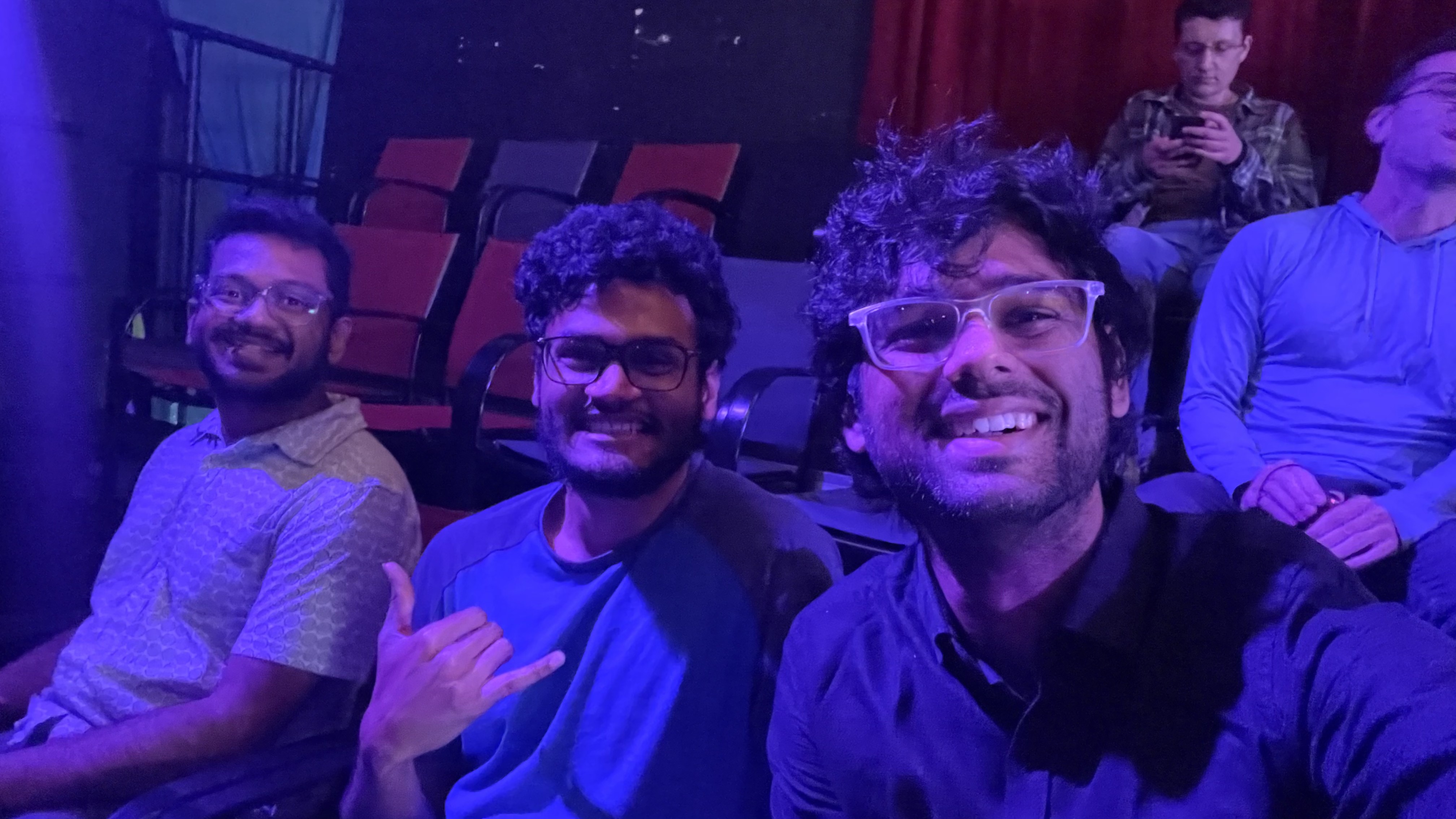
Progress still came unevenly. There were many ideas that did not work, followed by small moments when something finally did. A direction began to make sense, or I found a useful way to contribute to someone else's project. Those successes could seem small from the outside, but they changed how I felt about returning to the work. After a long stretch of doubting myself, having something work gave me the motivation to keep trying. The doubts did come back. Over time, I also had more experience to draw on when they did.
The early collaborations gave me something concrete to take part in. I was contributing to projects, helping write papers, and learning through the work itself. After spending so much of the beginning unsure how to start, being able to make a useful contribution mattered to me. It helped me feel that I could learn to do this, even if I still needed help and many attempts along the way.
One habit I would suggest is keeping a short record of what you tried, what happened, and what you want to try next. Include the small things you now understand, even when the result was disappointing. When you look back after a difficult week, that record gives you something more useful than a vague feeling that nothing worked. You can also bring it to a meeting and ask a more specific question. Over time, knowing how to choose the next attempt became one of the parts of research I enjoyed most.
A life in Austin
There was a whole life around the PhD that made the difficult parts easier to live through. My friends in Austin and the people close to me helped keep me sane through these years. They were there when I doubted myself and shared in the small successes. I could get so caught up in whether research was going well that spending time with them helped me look beyond it.
My friends gave me plenty to look forward to. We played board games, Catan, and poker late into the night, watched movies, celebrated birthdays, and went on trips. Sometimes we would cook at my place, or sometimes someone else would organize a potluck. We would stay up watching something and end up talking about completely different things. Those evenings were fun in their own right, and they gave me a break from carrying the same research worries around all day.
Some of my friends were doing PhDs, while others were working full-time in Austin. We talked about their jobs, their struggles, how they felt about life, and what they wanted to do next. It helped to hear those different perspectives. I spent so much time thinking about progress in research that I could forget how much else people were dealing with. We could talk about serious things or spend the evening on something completely random.
Austin became home over those nearly four years. There was West Campus, time by Lady Bird Lake, Zilker Park, and coffee at Mozart's, the café on Lake Austin. There were boat parties on Lake Travis, the view from the 360 Bridge, hiking spots, ACL, and SXSW. I loved having so many places to go, whether it was an outing with friends or a little time outside. My adviser kept encouraging us to enjoy the city, and I am glad I did.
When I think about my time there, I remember the meals, the trips, and all the ordinary nights we spent together. I remember how good it felt to have plans after a difficult stretch of work. Austin still feels like home to me. Make room for those ordinary plans in your own life, even when the work is unfinished. Cook with someone, take a walk, or show up for a game. You can enjoy an evening without first having a good research result to report.
Growing into the work
By the later part of my PhD, I was doing much more independent research. My work had grown more toward generative modeling for images and videos, and efficient sampling. Towards the end, I was also working on post-training, including RL, SFT, distillation, and test-time search. I had a clearer sense of which questions I wanted to ask, what I needed to learn, and how to explore a direction. I was also contributing to other people's work, bringing people into my own projects, and guiding juniors. At one point, I was handling the lab as well. The work had grown into something I could take responsibility for, and I enjoyed that.
Helping juniors made me notice the change in myself. I could remember being the person who needed help getting started. Now I had some experience to share, even though I was still learning. It made me appreciate my seniors again, and the time they had spent working with me. I also thought about my adviser and how he encouraged the people around him. I wanted to be patient with someone who was finding their way, because I knew how much that patience had mattered to me. When you become the person a junior turns to, explain the steps you now take for granted. Share an attempt that failed as well as the one that worked. Give them time to ask the questions you once had.
Finishing with more to explore
I finished in about three and a half years. Towards the end, I was enjoying research enough that I wanted more time to explore. For the ideas I wanted to try next, though, compute, funding, and access to resources were becoming real limits. Moving to industry gave me a way to test those ideas more quickly. That was a decision about the work I wanted to pursue. I still have a lot of faith in research done with fewer resources, and in academia and labs that give people the freedom to ask basic questions. I hope to keep asking those questions and contribute research that solves meaningful problems and moves the field forward.
Knowing what I went through, I would choose to do a PhD again. I can say that with the difficult days included. During the journey, it was often hard to see what I was learning because I was so focused on what was not working. By the end, I could see the difference in how I approached a problem, worked with people, and dealt with uncertainty. I had grown more confident, and I had come to enjoy the actual work much more. If you are considering a PhD, spend time learning what the daily work and advising in a lab are like. Talk to its students about the support they get when they are stuck, and think about the kind of guidance you need. I was lucky to have freedom, trust, and people I could turn to. Those things shaped my experience as much as the topic I worked on.
A PhD will test you, but there is joy in the work, too.
Remember why you started, and let yourself enjoy the journey.
An evening in Colorado
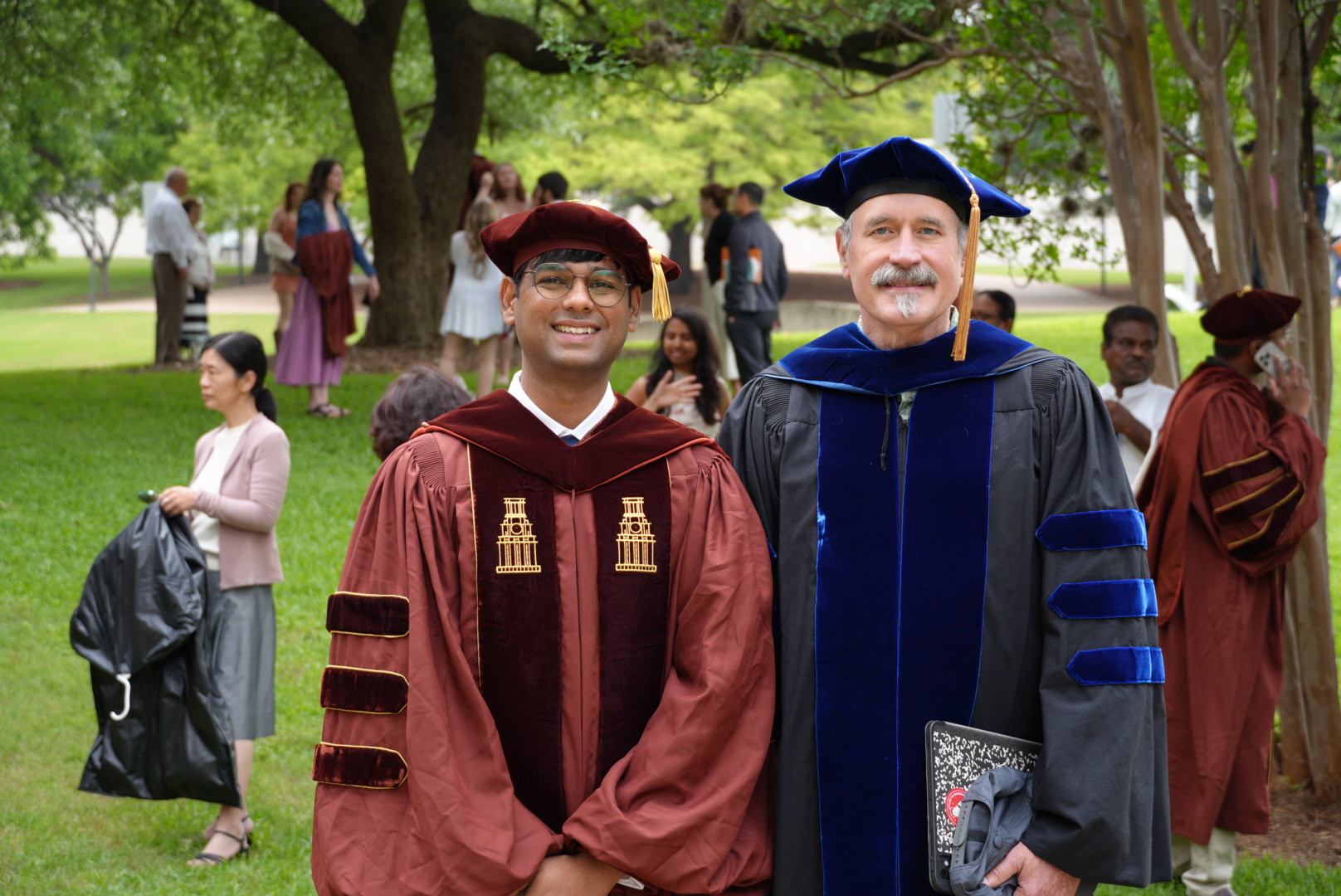
Professor Bovik had moved to Colorado during my PhD. Around the time I graduated, while we were in the Boulder and Denver area for a conference, I visited him at his home in the mountains. We had dinner and talked about his family, life, and all sorts of other things. It was peaceful and relaxing to spend time there with him, away from the setting in which we usually met.
He had taken up astrophotography, setting up a telescope and camera at night to photograph the sky. That gave us another interest to talk about. In high school, I had loved particle physics and astronomy. I joined the astronomy club in undergrad and later led it. Before engineering became my path, I had imagined becoming a physicist or an astrophysicist. Hearing about his photographs brought that interest into our conversations again. I enjoyed seeing how much he was still exploring and learning, and being able to talk with him about space.
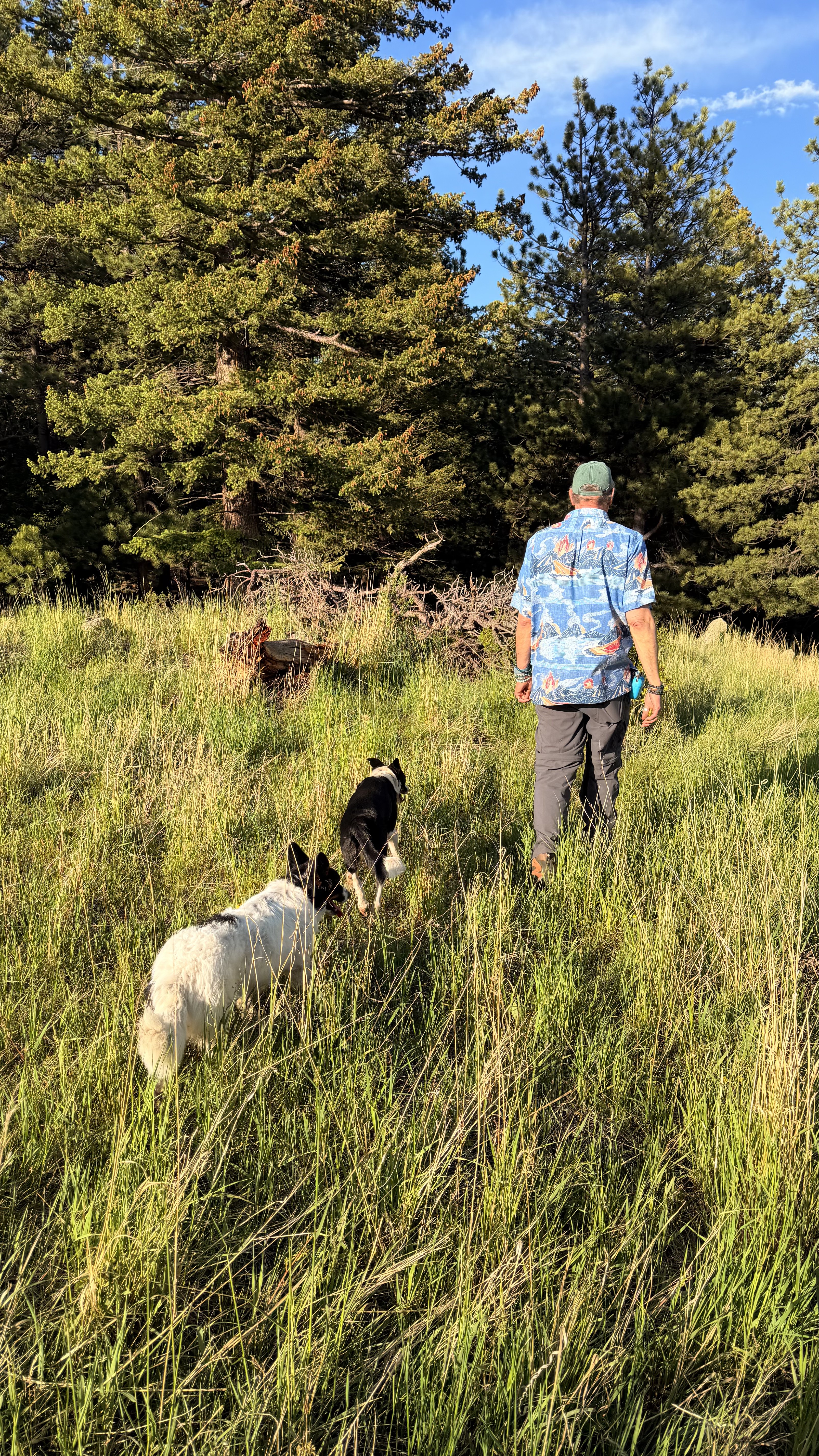
That visit is one of the memories I am glad to have from the end of my PhD. Professor Bovik helped me learn to do research, gave me room to become independent, and cared about how I was living through those years. His kindness and willingness to help people have stayed with me. I was extremely lucky to have him as my adviser, and I hope I can give some of that same care to the people I work with and guide.
You gave me room to grow, and reminded me to enjoy life.
I hope to offer others the same kindness.
With gratitude, Shreshth
References
Personal recollections are my own.